
The Indian influencer marketing industry just crossed 3,000 crore. By 2027, it will reach 5,000 crore. But the real story is not the growth rate. It is what is happening underneath it.
Influencer marketing in India has stopped operating as a campaign channel and started operating as commercial infrastructure. The shift is structural. Creators are registering as businesses. Brands are building always-on programs. Platforms are standardising workflows.
Compliance is becoming table stakes. And the entire India creator economy is reorganising around systems, not spikes.
This is what institutionalized influencer marketing looks like. And if you are operating in this market, the timing of this shift determines whether you are building on the right foundation or still running last decade’s playbook.

The Market Size Is Growing. The Market Structure Is Changing.
Influencer marketing in India is now valued at 3,000 to 3,500 crore in 2025 and projected to reach 4,500 to 5,000 crore by 2027. That growth trajectory is significant. But what matters more is the current influencer marketing evolution taking place inside those numbers.
The market is no longer being driven by informal collaborations and one-off campaigns. It is being shaped by repeatable systems built around performance accountability, legal formalisation, and commercial outcomes. The influencer marketing industry India is entering its institutional era, which means the rules are changing for everyone.
Here is what that means in practice:
- Brands are moving from campaign bursts to always-on creator programs with formal approval workflows and clearer measurement.
- Creators are registering as business entities, obtaining GST registration, and building their own product lines or creator-led ventures.
- Platforms are standardising discovery, contracting, and reporting to reduce manual friction and improve commercial reliability.
- Compliance is no longer optional. Disclosure requirements, data protection rules, and regulatory oversight are formalising the space.
This is not incremental improvement. This is the market restructuring around a different operating model. Get the full breakdown – Click Here.
Creator Economy Formalisation: From Side Hustle to Business Entity
One of the most important signals in the report is the rise of creator economy formalisation. Creators are no longer satisfied with being talent. They are becoming businesses.
The data shows that creators are increasingly registering as formal entities, obtaining GST numbers, and treating their work as a commercial operation. Some have already launched creator-led businesses, while others are actively planning to do so. This is a major shift in the structure of the market, because it changes how creators monetise, negotiate, and build long-term value.
Influencer monetisation is moving away from flat-fee deals and toward more sophisticated models: equity conversations, revenue shares, product co-creation, and recurring partnerships. Creators are no longer just selling posts. They are building business relationships that compound over time.
This is also why long-term creator partnerships are becoming the standard. Brands are prioritising creators who understand the product deeply, communicate consistently, and build familiarity with audiences over months or years. That kind of relationship produces stronger trust and better commercial outcomes than one-off activations.
If you are managing creator partnerships, sourcing talent, or advising on deals, this shift changes your entire procurement model. The full Influencer report walks through the implications.
Regional Bharat Is Not Catching Up. It Is Leading.
The most underestimated dynamic in the report is the rise of regional India. Tier 2, Tier 3, and Tier 4 cities are not just participating in the market. They are driving it.
The data shows that these regions are delivering strong engagement at significantly lower costs than metro markets. Vernacular content is gaining ground, with more brands asking for region-specific briefs and creators responding in Hindi and other regional languages. This is one of the clearest creator economy trends India is producing right now.
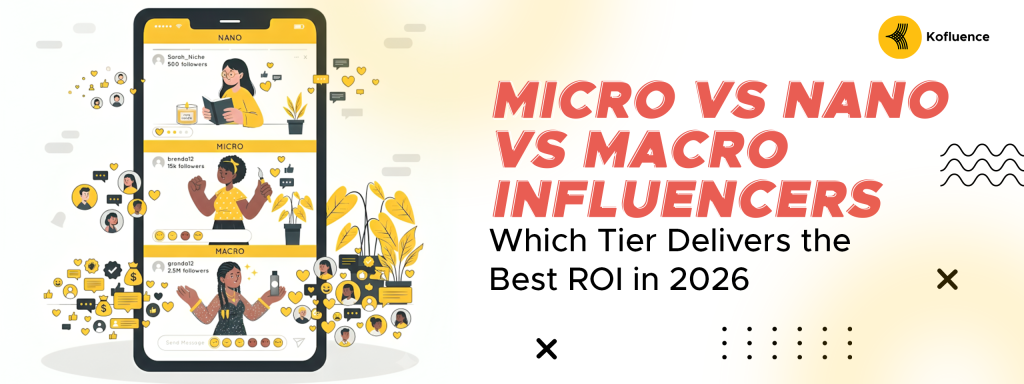
The influencer economy India is no longer concentrated in metros or dominated by English-first creators. It is being shaped by local trust, language relevance, and cultural context. That is why micro and nano creators continue to outperform larger creators when the brief depends on authenticity and local resonance.
If you are planning campaigns, allocating budgets, or building regional strategies, this regional shift is not a future trend. It is the current reality. Download the full Influencer Marketing Benchmark Report to see the regional benchmarks, engagement data, and cost comparisons that explain why Bharat is the new growth center.
AI in Influencer Marketing: Workflow, Not Replacement
Technology is another reason this market is becoming institutional. The report shows that AI in influencer marketing is now part of the everyday workflow for creators and brands alike.
Creators are using AI for ideation, caption writing, scheduling, creative design, and trend analysis. This does not replace the creator’s voice. It removes repetitive friction and makes production more efficient. AI is helping creators spend more time on judgment, storytelling, and audience relationships.
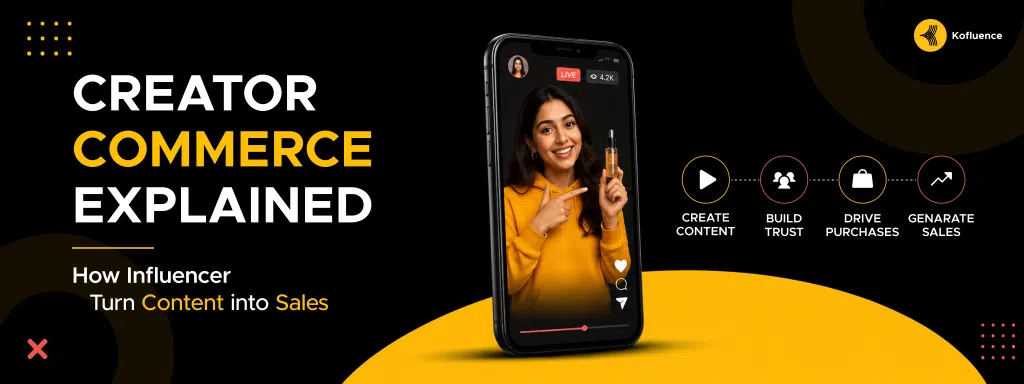
At the same time, commerce is becoming more native to content. The distance between seeing a creator recommendation and making a purchase has collapsed. Platform features like shopping integrations, affiliate models, and direct checkout are turning creator content into a purchase surface. This is a major reason influencer monetisation is becoming more complex and more measurable.
Influence is no longer just about awareness. It is about conversion, attribution, and revenue. That shift is changing how brands think. Instead of treating creators as separate from performance media, they are beginning to see them as part of the same commercial engine.
This makes institutionalized influencer marketing more than a buzzword. It becomes a new operating model for growth. The full report shows you how to build it.
Compliance Is Not a Cost. It Is a Competitive Advantage.
The report also makes clear that compliance is now part of the system. Disclosure requirements, data protection rules, and regulatory scrutiny are formalising the space further.
This may sound restrictive. But the report frames it as a healthy development. Regulation is helping separate professionals from casual participants and creating a more trustworthy market structure.
That matters because trust is central to the India creator economy. If creators are going to operate as businesses, the environment around them must also become more accountable. Compliance, legal review, and approval workflows are no longer edge cases. They are becoming standard practice.
This strengthens the foundation for long-term creator partnerships and makes the market more investable. If you are building for the next three years, compliance is not friction. It is the moat that protects serious players from low-quality competition.
Download the Influencer Marketing Report 2026 to see how the regulatory environment is shaping the market and what it means for your operations.
Why the Institutional Era Changes Everything
The report’s bigger message is simple: the future of influence is not about the biggest follower count. It is about systems.
Systems for creator economy formalisation. Systems for commerce. Systems for measurement. Systems for trust. That is what makes institutionalized influencer marketing such an important idea right now.
India is not just catching up with global creator markets. In many ways, it is shaping what the next phase looks like. Regional strength, creator-led businesses, AI-enabled workflows, and commerce-native platforms are combining to create a new kind of market. The old campaign model is still present, but it is being replaced by a more durable structure built on repeatable business relationships.
For brands, the opportunity lies in building with creators over time, not just buying their reach. For creators, the opportunity lies in operating like businesses, not just talent. And for the market as a whole, the shift marks a new era in the influencer marketing industry India is building.
Get the full Influencer Marketing Research report now to access the data, the benchmarks, and the strategic framework that explains where the market is going.
Who This Report Is For
If you are a brand marketer or CMO, this report shows you where the market is moving, how to structure creator programs that deliver commercial outcomes, and which regional and category dynamics will shape your 2026 planning.
If you are a creator or creator entrepreneur, this report shows you how to formalise your business, which monetisation models are gaining traction, and where AI can improve your workflow without diluting your voice.
If you are an agency or platform operator, this report shows you the infrastructure gaps, the workflow standards that are becoming table stakes, and how the procurement model is changing.
If you are an investor or analyst, this report shows you the structural patterns that make the India creator economy investable at scale and where the institutional layer is being built.
Download the full report here and see what the market looks like when influence becomes infrastructure.
Visit Kofluence to see the broader ecosystem built around creator-led growth and structured influence. If you found this blog helpful, browse through our website for other insights or get in touch with us for your next influencer marketing campaign.