
A Zumba trainer with 2,000 followers in Lucknow can move a neighbourhood to act faster than a film star addressing the whole country. That single fact captures why Hyperlocal Influencer Marketing has become one of the most effective tools in the Indian marketer’s kit. As brands compete for trust in Tier 2, Tier 3, and Tier 4 India, the advantage increasingly belongs to creators who speak the local language, share the local culture, and carry the credibility of a neighbour.
This blog explains what hyperlocal influencer marketing is, why it is growing, how to build a strategy around it, and which Indian brands are already winning with it.
Table of Contents
ToggleKey Findings
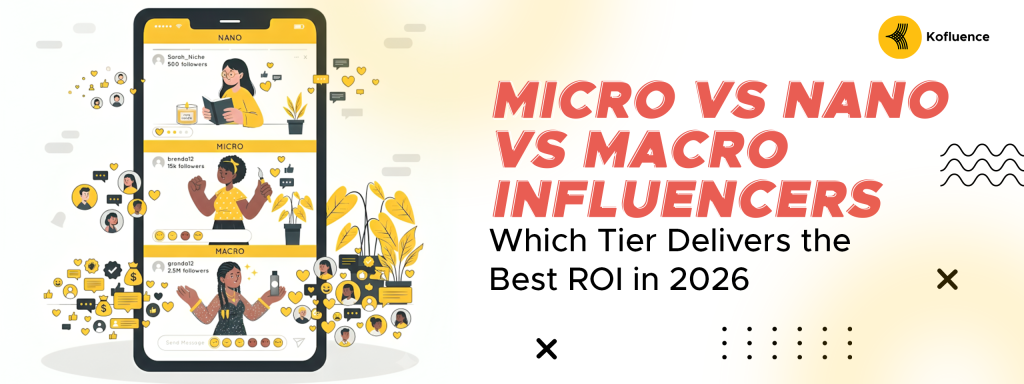
- Nano creators (1K–10K followers) deliver the highest engagement of any tier, often 6% to 12%, and conversion rates two to three times higher than macro campaigns.
- Tier 2 and Tier 3 city creators now deliver roughly 30% to 50% higher ROI than metro-based macro influencers, at significantly lower cost.
- More than 60% of Tier 2 and Tier 3 consumers seek information in their local language, and around 73% of brands now prefer micro and mid-tier creators for their stronger engagement-to-cost ratio.
What Is Hyperlocal Influencer Marketing?
Hyperlocal Influencer Marketing is the practice of partnering with creators whose influence is concentrated within a specific city, town, neighbourhood, or community. Rather than chasing broad national reach, brands work with city-based influencers and local social media influencers who hold deep credibility inside a defined geography.
The model works on proximity. Neighborhood influencer marketing taps creators who feel like community members, so their recommendations read as advice from a trusted local rather than a paid endorsement. This makes it a precise form of geo-targeted influencer marketing, reaching an audience defined as much by location and language as by interest.
For influencer marketing for local businesses, it turns a café, salon, clinic, or regional D2C brand into a familiar local name through voices the community already follows.
Why Hyperlocal Influencer Marketing Is Growing in India
Several forces drive the rise of regional influencer marketing. More than 350 million people from smaller cities have come online in recent years, and smartphone adoption there has grown several times faster than in the metros. The next wave of the creator economy India is overwhelmingly non-metro and multilingual.
Trust is the deeper driver. Audiences in smaller cities place greater confidence in local businesses and local voices, particularly for food, beauty, healthcare, and home repair. A local language influencer dissolves the scepticism that pan-India campaigns often create, because shared dialect and lived context carry genuine credibility.
This local consumer trust converts into action, and micro influencer marketing India and nano influencer marketing India deliver it at a fraction of metro costs, making hyperlocal digital marketing both effective and efficient.
Key Benefits of Hyperlocal Influencer Marketing
The advantages of local creator marketing compound on one another.
Higher trust and authenticity: Creators embedded in a community carry weight that scale cannot buy, and strong audience authenticity turns a recommendation into a genuine peer endorsement.
Stronger engagement: Local audience engagement runs high because creators and their followers share context, giving nano and micro creators the best community engagement marketing numbers of any tier.
Better ROI and efficiency: Lower production and media costs, paired with higher intent, lift influencer marketing ROI and support efficient local customer acquisition, with Tier 2 and Tier 3 activations regularly outperforming metro campaigns on return.
Cultural relevance and deeper penetration: Regional language creators deliver localized brand storytelling that resonates because it speaks to lived experience, while local brand influencer collaborations open doors into neighborhood communities, driving regional brand awareness, local market penetration, and local business growth.
A hyperlocal campaign follows a clear sequence rooted in community trust. Discovery begins at ground level, with brands finding regional content creators through location-based hashtag and geo-tag searches, community scouts, and referrals, vetting each for authentic local engagement rather than follower count. Briefing translates the brand message into the creator’s dialect and cultural context, so the content feels native. Creators then produce short-form, trust-led content tied to local moments, festivals, or location-specific promotions.
Measurement closes the loop, tying content to outcomes through creator codes, geo-targeted tracking, WhatsApp deep links, and footfall or sales lift, which keeps city-specific influencer campaigns accountable.
The flow runs most smoothly through an influencer marketing platform that connects discovery, vernacular creator mapping, briefing, and attribution in one system, making it practical to manage many creators across many towns at once.
Building an Effective Hyperlocal Influencer Marketing Strategy
A strong local influencer marketing strategy rests on a few deliberate decisions:
- Define the geography precisely: Target at the city, ward, or neighbourhood level, since sharp regional audience targeting is the foundation of every hyperlocal campaign.
- Prioritise community fit over reach: Select creators genuinely embedded in the target location and weigh engagement quality above follower totals, because tier 2 and tier 3 influencers with high trust outperform larger, generic creators.
- Lead with language and culture: Commission genuine transcreation in the local dialect, so authenticity in vernacular influencers drives trust and recall.
- Run creator clusters at scale: Activate several regional creator campaigns across towns using local coordinators to keep operations manageable while preserving cultural accuracy.
- Stay compliant and measure to outcomes: Carry clear ASCI disclosures in the local language, account for TDS and SEBI rules, and track saves, clicks, codes, and footfall so each campaign sharpens the next.
Best Platforms for Hyperlocal Influencer Campaigns in India
The platform mix shapes how regional social media marketing performs on the ground. Instagram anchors most hyperlocal programmes, with Reels and Stories driving local discovery and geo-tagged content surfacing nearby creators.
YouTube, especially Shorts, carries weight for longer vernacular storytelling. WhatsApp has become a quiet powerhouse for community-driven marketing, carrying creator content, deep links, and location-specific promotions straight into local groups. ShareChat and Moj extend reach into deeply regional, vernacular audiences, while Facebook retains relevance for community groups in smaller cities.
Across all of these, an influencer marketing platform ties discovery and measurement together so city-specific influencer campaigns stay coordinated.
Industries Benefiting Most from Hyperlocal Influencer Marketing
Several sectors see outsized returns from regional creator campaigns. Food and beverage, including cafés, cloud kitchens, and FMCG snacks, uses hyperlocal creators to drive footfall and trial. Beauty and personal care leans on local reviews and routines to build trust. Fintech and BFSI rely on credible regional voices to drive app downloads and explain products, a category seeing strong intent from location-based influencer marketing.
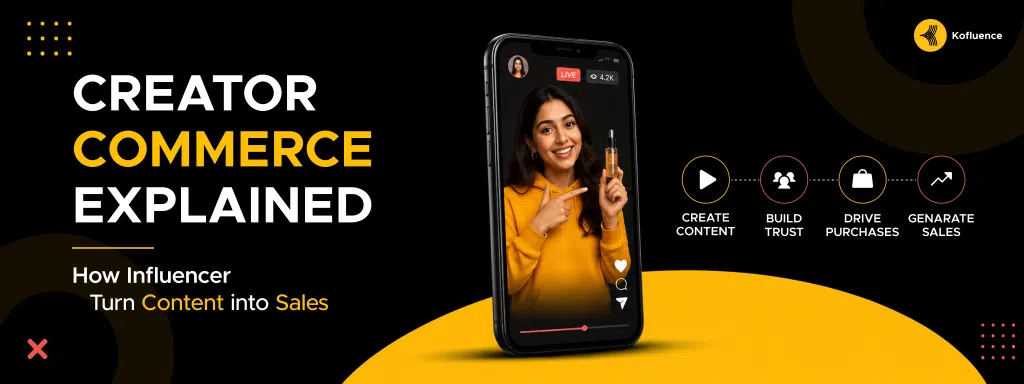
Retail and D2C brands use creator-led commerce and discount codes to convert local discovery into sales. Healthcare, real estate, education, and local services such as salons and repair benefit from the trust that local social media influencers command, making this a natural fit for influencer marketing for local businesses.## Hyperlocal Influencer Marketing Examples in India
Real campaigns show the model in action. Nykaa’s #BeautyUnfiltered partnered with creators in the 10,000 to 50,000 follower range, using Instagram posts, stories, and unboxing videos to showcase everyday skincare routines.
Reported outcomes included a 35% jump in website traffic and a 20% lift in product sales within a month, with stronger engagement than larger tie-ups, a clear sign of how local influencer campaigns convert authenticity into results.
The Panipuri Challenge by Mumbai agency tapped regional food culture through hyperlocal creator networks, generating measurable community engagement by building on local food traditions rather than generic posts, a strong example among hyperlocal marketing examples of culture-led activation that shows how grassroots marketing campaigns built on local trust produce real-world action.
Future Trends in Hyperlocal Influencer Marketing in India
Several shifts are shaping the next phase. AI-driven discovery and automation now let brands orchestrate thousands of nano creators across geographies, with multilingual briefs and payouts managed at scale. Vernacular and dialect-specific content continues to deepen as regional consumer behavior rewards creators who speak from within their community. Performance-based models are spreading, tying regional creator campaigns directly to footfall, downloads, and sales. Festival-first, ward-level activation is emerging as a repeatable playbook for reaching Bharat during high-intent cultural moments, placing hyperlocal influence at the centre of how Indian brands build community trust.
Conclusion
Hyperlocal Influencer Marketing has moved from a niche tactic to a strategic necessity for brands reaching India beyond the metros. It delivers higher trust, stronger local audience engagement, sharper cultural relevance, and a more efficient return than broad national campaigns, while opening doors into neighborhood communities that drive local business growth. National voices keep their place for awareness, and the brands winning in 2026 pair them with deeply local creators who turn community trust into measurable action. For a closer view of the data shaping this space, Kofluence’s Decoding Influence 2026 report and ongoing Influencer marketing report coverage point firmly toward a more local, more trusted, and more accountable future for social media influencer marketing in India.
Frequently Asked Questions
1. What is the difference between hyperlocal and local influencer marketing?
Local influencer marketing targets a broad area like a city or region. Hyperlocal narrows that to a specific neighbourhood or community, using creators whose influence is concentrated in a precise location, driving deeper trust and stronger conversions.
2. Are hyperlocal influencers effective for national brands?
Yes. National brands activate clusters of hyperlocal creators across multiple towns to build trust market by market. The most effective strategies blend local and national voices, balancing authentic regional resonance with broad visibility.
3. How do brands measure hyperlocal influencer campaign success?
Through creator-specific discount codes, geo-targeted link tracking, WhatsApp deep links, footfall, app downloads, and sales lift, combined with local engagement signals like saves, shares, and comments to connect spend directly to ROI.
4. Which industries benefit most from hyperlocal influencer marketing in India?
Food and beverage, beauty, fintech, retail, healthcare, education, real estate, and local services see the strongest results, particularly in Tier 2 and Tier 3 markets where community trust heavily influences considered and repeat purchases.